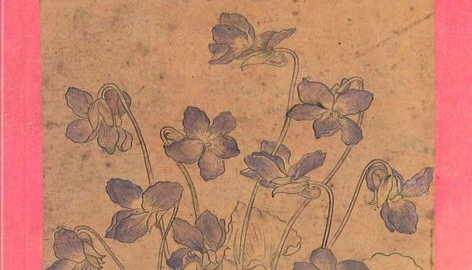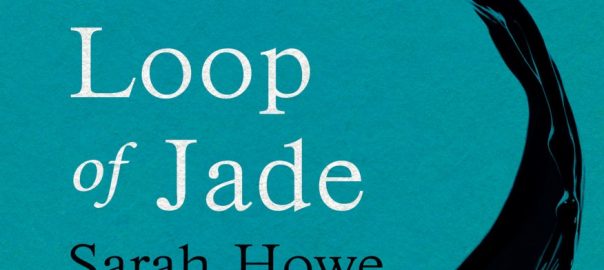
Motherhood and Mother Tongue in Sarah Howe’s ‘Crossing from Guangdong’ by Lorraine Lau
For Sarah Howe, the English-speaking daughter of an orphaned Chinese mother, the themes of motherhood and mother tongue are inextricably linked.
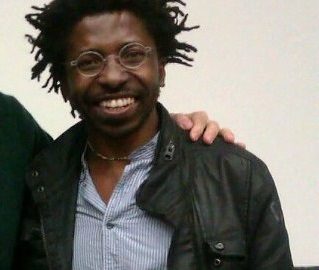
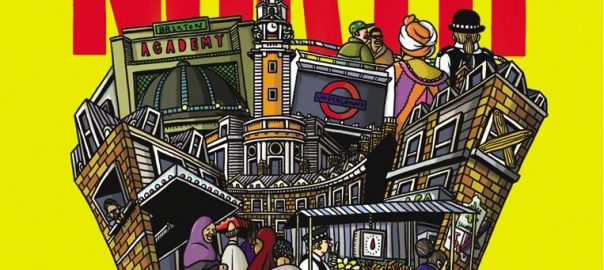
Brian Chikwava’s writing has attracted a small but diverse critical following…
In literary studies, we tend to think of cultural forms (poems/plays/novels) as imaginatively conjured containers for a particular writer’s plot and characters…
Reviewers often position Mimi Khalvati as a ‘Persian poet’ due to her inclusion of Persian imagery, form, and the occasional line of Farsi in her poetry.
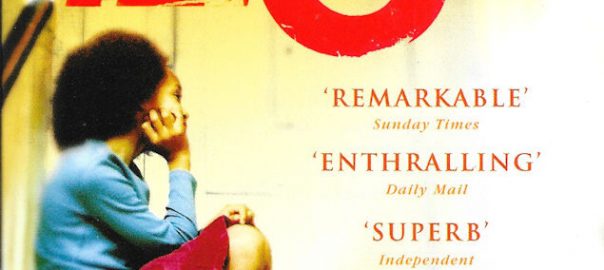
‘My first book is about the loss of a twin, what happens beyond that loss’, says Diana Evans in a 2018 BBC radio interview.
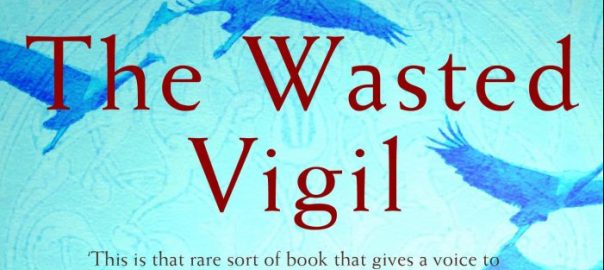
The heart of Nadeem Aslam’s third novel, The Wasted Vigil (2008), echoes John Berger’s often quoted claim (excerpted from his Booker-winning novel G.): ‘Never again will a single story be told as though it’s the only one’.
Caleb Femi’s work compels his audience to move away from a modern dependence on the written word…
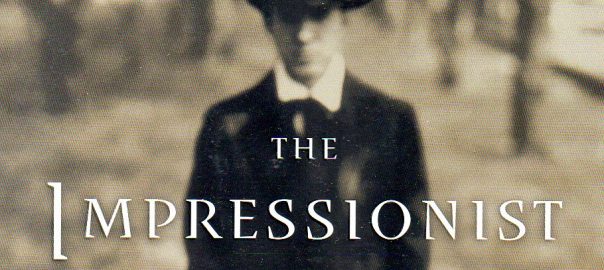
Hari Kunzru’s The Impressionist follows the experiences of the chameleon-like protagonist, Pran Nath…
A House for Mr Biswas has been canonized, as Harish Trivedi says, ‘as one of the greatest postcolonial novels in English’. […]